


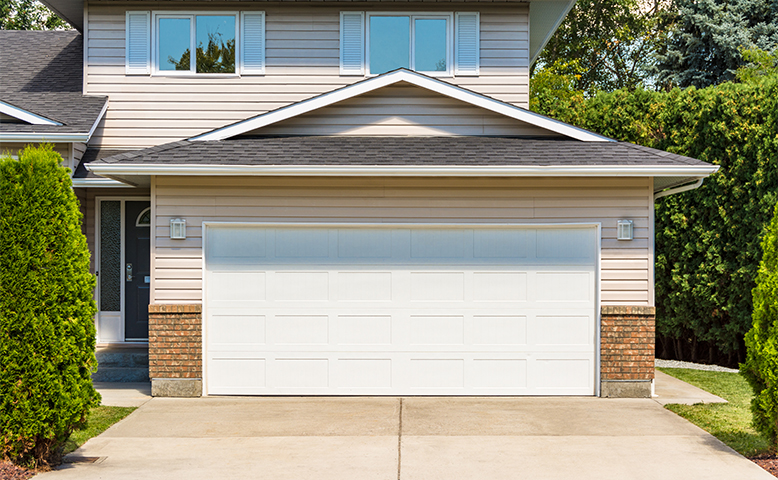
A garage door installation has more steps than most people think. Panels must line up, tracks must sit straight, and springs must be set so the door moves with one hand. Because of that, the total time depends on your door, your garage, and the parts you choose. A basic replacement on an existing opening often takes 3 to 6 hours. Adding a new opener can take 1 to 3 more hours. If the frame is weak, the floor is uneven, or wiring needs work, the job can take most of a day. This blog breaks down each step so you know what happens from start to finish. It shows where delays happen and how to keep the day on track.
First Visit Checks: Measuring, Parts, And Safety
The clock starts with a check of the opening and the space around it. The installer measures width and height, but also headroom (space above the opening) and backroom (space along the ceiling). Those numbers decide if standard tracks will fit or if a low-headroom setup is needed. They also check the side boards and top board for cracks, rot, or loose screws, because the track brackets must hold tight. Next, they look at the ceiling joists where the opener and track hangers will mount. This step often takes 20 to 45 minutes, and it prevents surprises later.
Before the door comes off, the installer usually confirms these points:
- Door size, style, and insulation level
- Spring type: torsion on a shaft, or extension on the sides
- Door weight range, so springs are sized to the door
- Clear safety space for kids, pets, and parked cars
Taking Out The Old Door And Hardware
Next comes the removal of the old door and hardware. This is the part where safety matters most, because springs store a strong force. The installer clamps the door so it cannot move, then releases spring tension in a controlled way. Lift cables are unhooked from the bottom brackets, and the tracks and wall brackets are taken down. If an opener is present, the door arm is disconnected so the door can come down by hand. For most replacements, removal takes about 45 to 90 minutes. It can take longer when bolts are rusted, tracks are bent, or the old setup used odd sizes. Some crews also label or photograph the old mounting points. That helps them spot framing issues and place the new tracks in a better position. A clean removal keeps the opening square and ready for the new parts.
Setting Tracks, Panels, And Rollers In Place
With the opening clear, the new door goes up from the bottom to the top. The bottom panel is set first because it sets the seal line along the floor. A rubber bottom seal is fitted so water and dust stay out. Then, hinges and rollers are installed, the next panels are stacked, and side tracks are placed so that the rollers roll without rubbing. After that, the top track sections and ceiling hangers are mounted and tightened. The installer checks the level and plumb many times, since small errors can make the door bind or get noisy. This stage often takes 1.5 to 3 hours for a single door, and longer for a wide double door.
Key checks during this step:
- Bottom panel level, so the seal touches the floor evenly
- Tracks straight up and down, then angled back the same on both sides
- Brackets anchored into studs or solid framing, not just drywall
- Struts were added to the wide doors to reduce panel sag
Springs, Cables, And Balance Testing Time Needed
Now the parts that lift the door are set up. Springs are chosen by door weight and height, not by guesswork. A heavier insulated door often needs stronger springs. Most homes use torsion springs, which sit on a steel shaft above the door and twist to store force. Some older setups use extension springs that stretch along the tracks. Next, lift cables attach to the bottom brackets and run up to drums or pulleys. The installer sets tension, then tests balance. This work, plus testing, usually takes 45 to 90 minutes. A balanced door should stay around waist height when you let go, and it should not drift fast up or down. If the balance is off, the opener can strain and may stop mid-travel. The installer may add or remove spring turns and re-seat cables until the door moves smoothly and steadily.
Adding Opener, Sensors, Controls, And Simple Wiring
If you add a new opener, plan for extra time. The motor unit is hung from the ceiling, and a rail connects it to the door with an arm bracket. The header bracket must sit at the right height, or the door can hit the rail on the way up. Next, safety photo eyes are mounted near the floor on both sides. They must face each other, or the door will not close. The wall button and sensors use low-voltage wire, which is stapled neatly and kept away from moving parts. Then the installer sets travel limits so the door stops at the right spots, and sets force limits so the door reverses if it hits an object. A new opener installation can take 1 to 3 hours. If there is no nearby outlet, a licensed electrician may be needed, which adds time and often means a second visit.
Final Checks, Cleanup, And Your New Routine
The last stretch is about safe, smooth operation. The installer tightens bolts, checks each hinge, and confirms rollers spin freely. Then they run the door through many open-and-close cycles. They watch the cables on the drums, listen for rubbing, and check that the door sits evenly in the opening. Side and top seals are checked so air gaps stay small. If there is an opener, auto-reverse is tested in two ways: by placing a board on the floor and by blocking the photo eyes. This wrap-up usually takes 30 to 60 minutes.
Before leaving, a good installer should cover:
- Where to apply a small amount of garage-door lube
- How to use the manual release cord during a power outage
- What to check each month: sensor aim, loose bolts, and door balance
- When to call for service: frayed cables, a loud bang, or uneven lifting
A Smooth Install Starts With the Right Team
Most installs finish the same day, but the exact time depends on the door size, the opener’s work, and the shape of the opening. If the frame is solid and parts are on hand, a swap can be done in a few hours. If springs, wiring, or wood repairs are needed, expect more time. If you want a clear plan and a safe installation, Elaine Garage Door Services offers garage door installation services. We can measure, remove the old door, set the new system, and test it so your door runs smoothly.